Home » Diagnosis & Surgery
Gynecomastia is a condition that affects men of all ages, and understanding its classification, causes, and treatment options is essential for selecting the right approach.
At our center, we believe that every patient should feel fully informed and confident about their treatment. From diagnosis to surgery and recovery, we’ll take the time walk you through every step of the process so you know what to expect.
At our center, we believe that every patient should feel fully informed and confident about their treatment.
From diagnosis to surgery and recovery, we’ll take the time to walk you through every step of the process so you know what to expect.
The Gynecomastia patient’s journey begins with diagnosis – to establish their grade and severity of Gynecomastia. This process always begins with a comprehensive medical history and physical examination (See below).
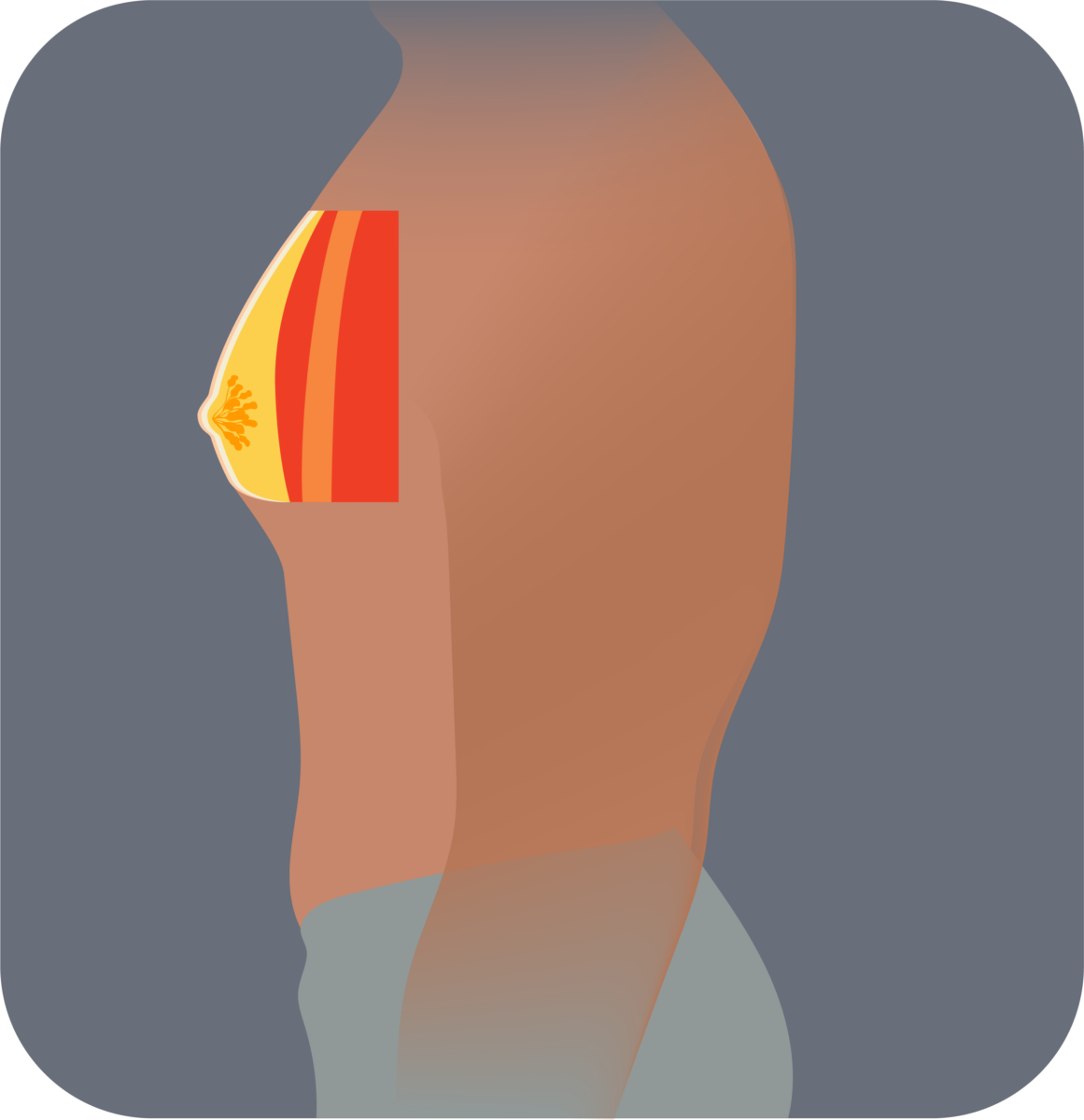
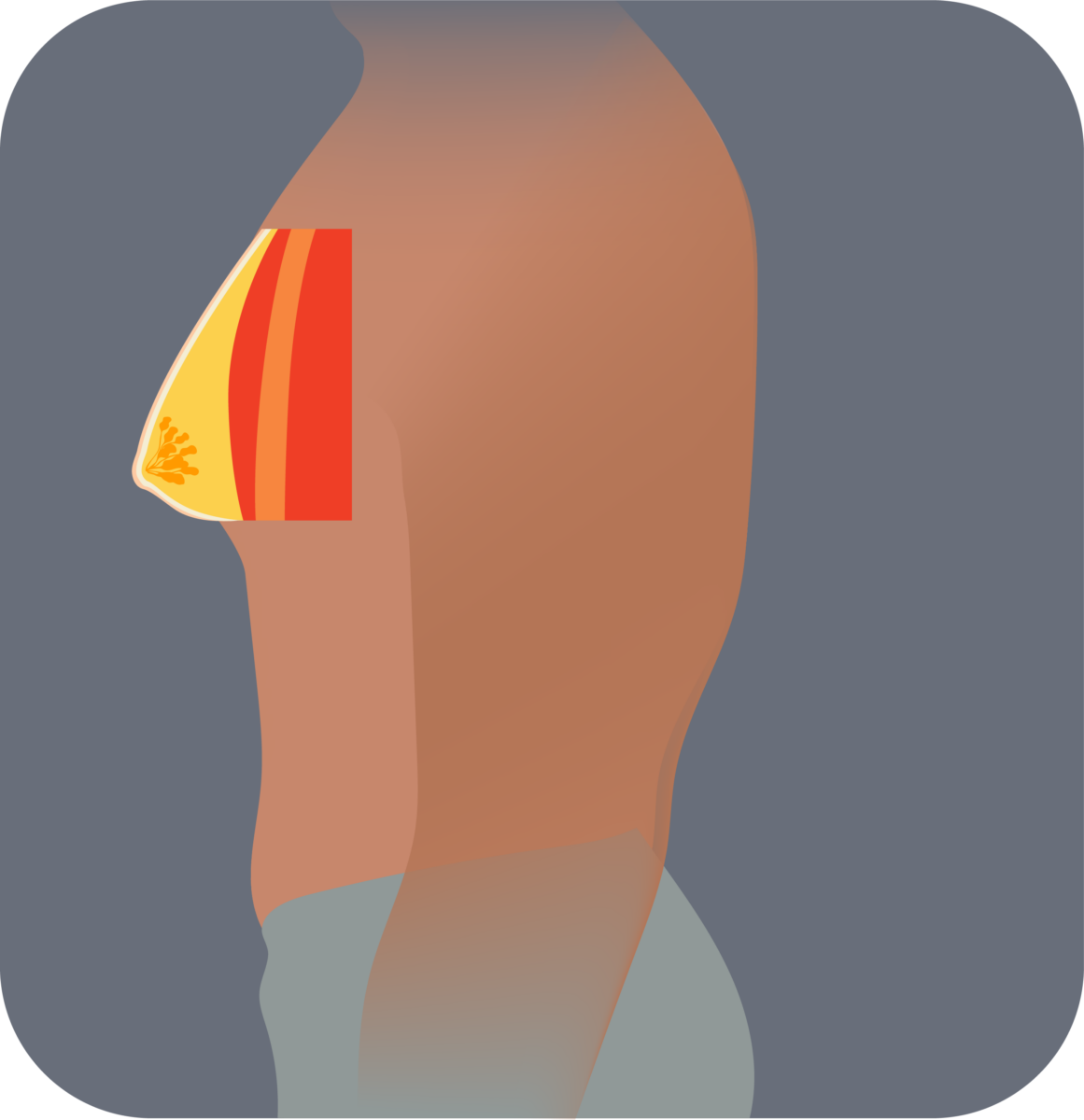
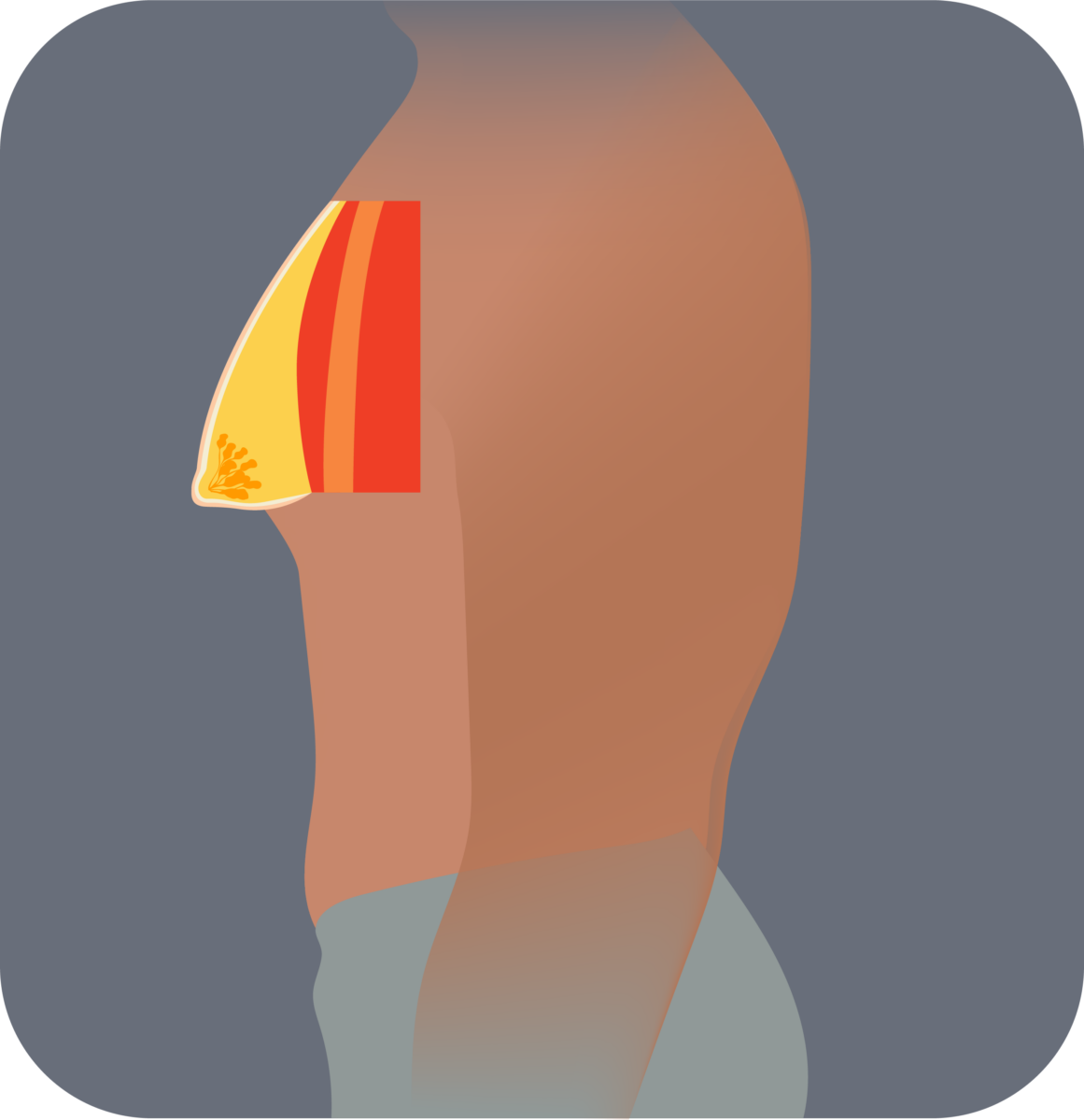
Plastic surgeons in Canada use either the Webster or Simon classification system. Both classification systems have similar definitions and divide gynecomastia into three enlargement grades, but the Simon system adds detail to Grade 2.
Grade 1
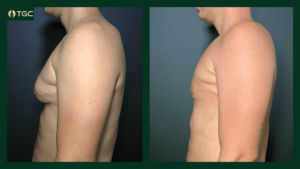
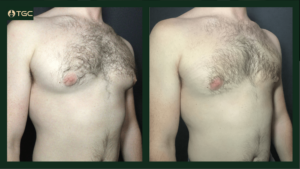
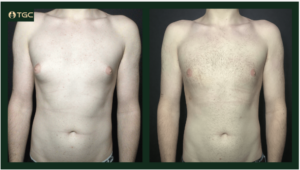
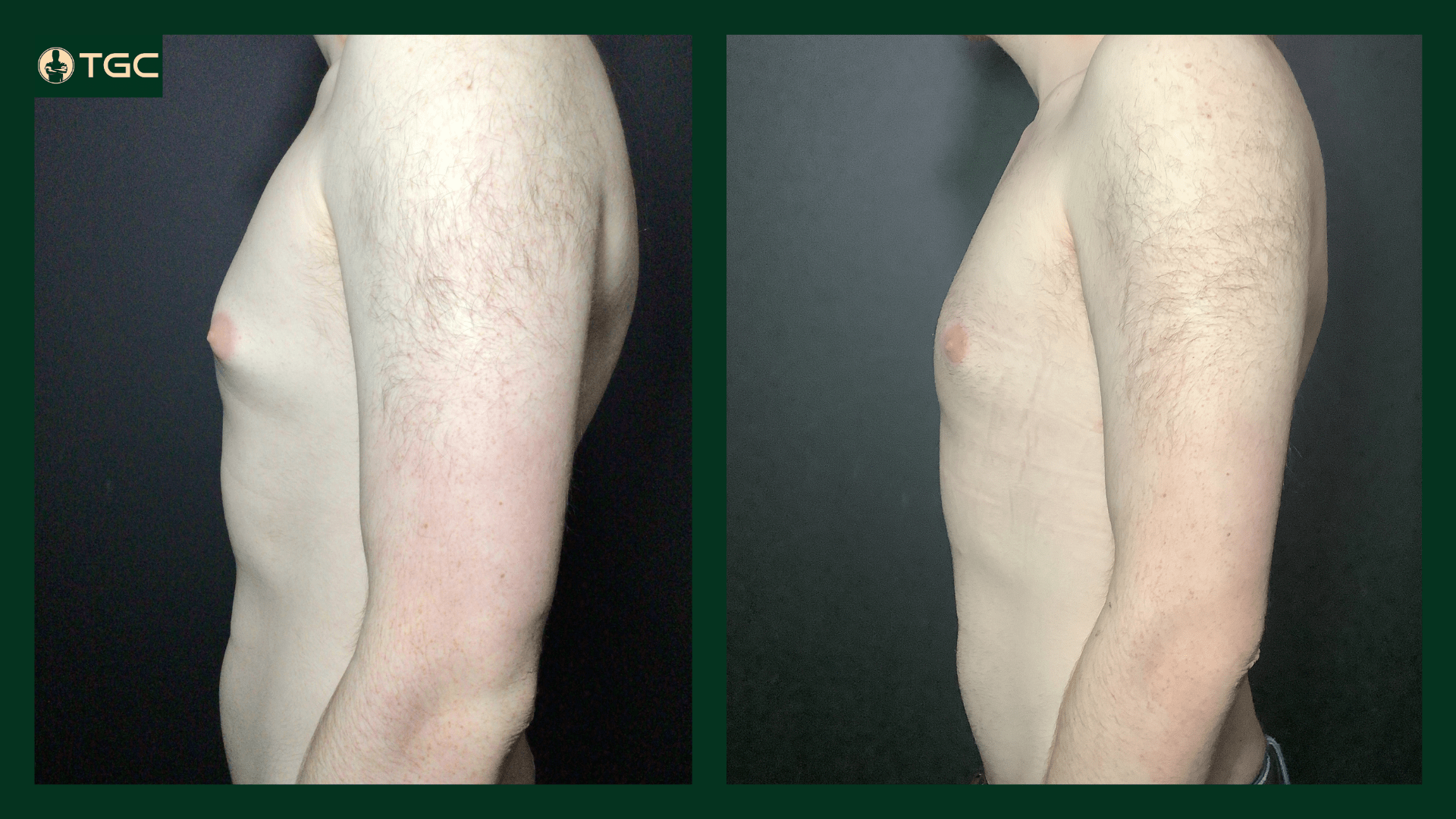
Grade 1 – Small glandular enlargement without excess skin
Grade 2
Grade 2a – Moderate glandular enlargement without excess skin
Grade 2b – Moderate glandular enlargement with some excess skin
Grade 3
Grade 3 – Significant glandular enlargement with excess skin
Gynecomastia Classifications:
There are a number of factors that can contribute to an underlying cause of Gynecomastia.
Each patient begins with a thorough evaluation of personal history, symptoms, medications, and lifestyle factors that may contribute to gynecomastia.
1
Personal History
We will inquire about your age, gender, and any noticeable changes in glandular tissue size and shape. We will also ask about the duration of gynecomastia symptoms and whether the condition is stable, worsening, or improving over time.
Symptoms
Any associated symptoms, such as gland tenderness, pain, discharge from the nipples, or changes in nipple appearance.
2
3
Medications
Any current medications, including prescription drugs, over-the-counter medications, and herbal supplements. Some medications can contribute to gynecomastia as a side effect or by altering hormone levels. It is important to provide a complete list of all medications being taken.
4
Substance Use
Any use of substances known to be associated with gynecomastia, such as anabolic steroids, marijuana, alcohol, or illicit drugs.
5
Family History
Any family history of gynecomastia or other conditions that could be related, such as cancer.
6
Psychological Impact
Any psychological distress or impact on self-esteem caused by gynecomastia.
Following the history, a physical examination will be performed. In general, a complete history and physical is enough to work up a patient who presents to us.
Should we suspect non physiologic cause, we may order further investigations, such as blood tests, hormone level assessments, imaging studies (e.g., ultrasound, mammogram), or a biopsy, to determine the underlying cause or rule out any other potential conditions.
Upon the conclusion of the physical examination, we can determine the best treatment plan, whether that involves liposuction, glandular excision, or a combination of techniques to achieve the most natural and aesthetically pleasing results.
1
Visual Inspection
Looking for any visible enlargement or swelling of the glandular tissue, noting the size, symmetry, and contour of the chest. This includes with and without a T Shirt on. The skin is also evaluated for judging it’s quality, amount and changes, such as redness or dimpling.
2
Palpation
Feeling for the amount, density and location of glandular tissue versus fat.
3
Nipple Evaluation
The nipples and areolas are assessed for any changes in size, shape, or color.
4
Testicular Examination
Finally, some cases require a Testicular Examination. Since certain hormonal disorders can cause gynecomastia, if we suspect this may be a case that is pathological in origin, we may perform a testicular examination to assess the size, consistency, and any tenderness or masses in the testicles. This is infrequently performed since most cases are physiologic in nature.
Once your gynecomastia has been classified, we tailor the surgical approach to meet your specific needs.
✔ Minimally invasive with no visible scars
✔ Two tiny poke holes (2-3mm) hidden in the armpits
✔ Power-assisted liposuction (PAL) to remove excess fat
✔ Precise glandular excision through the same small poke holes
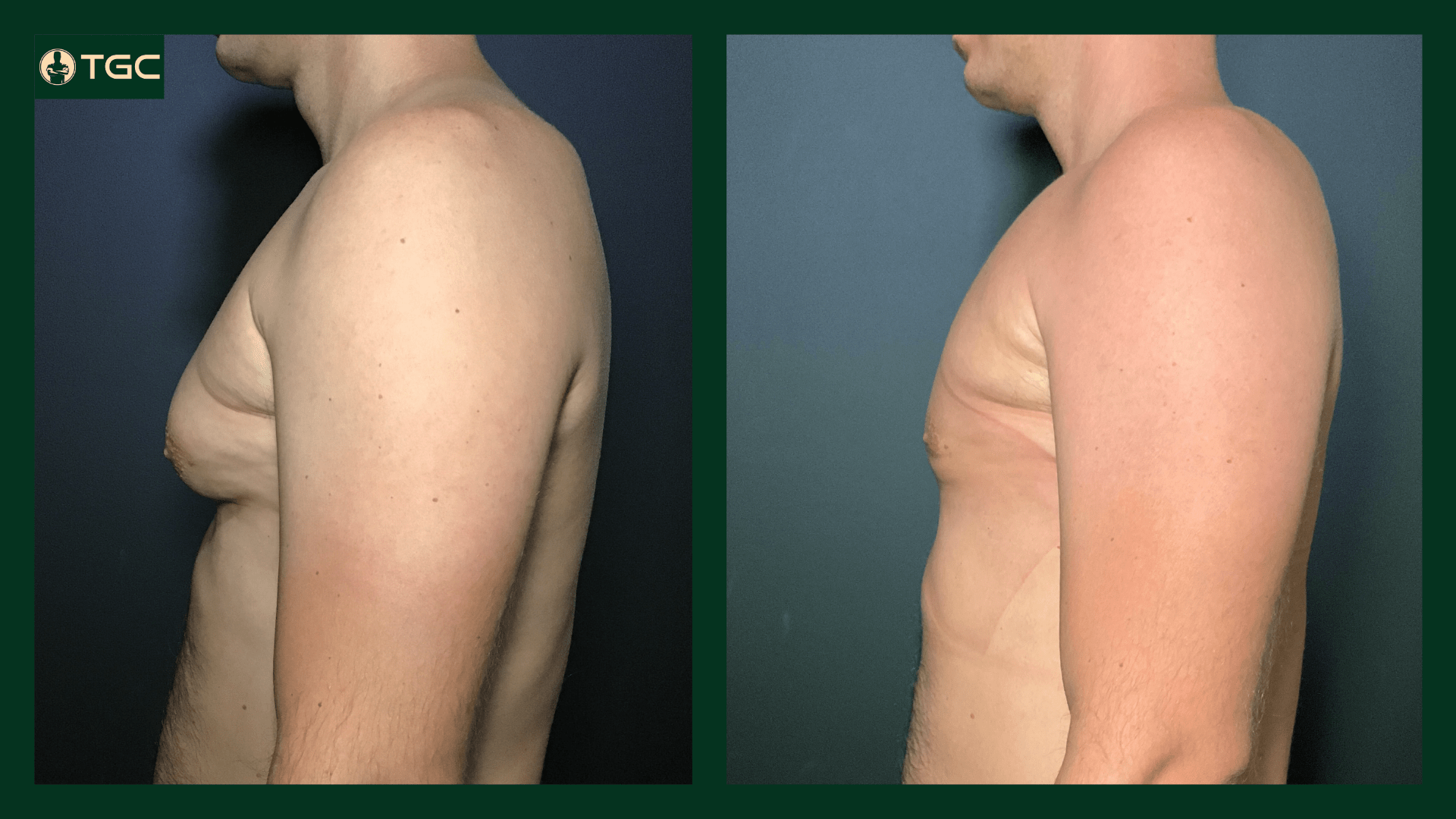
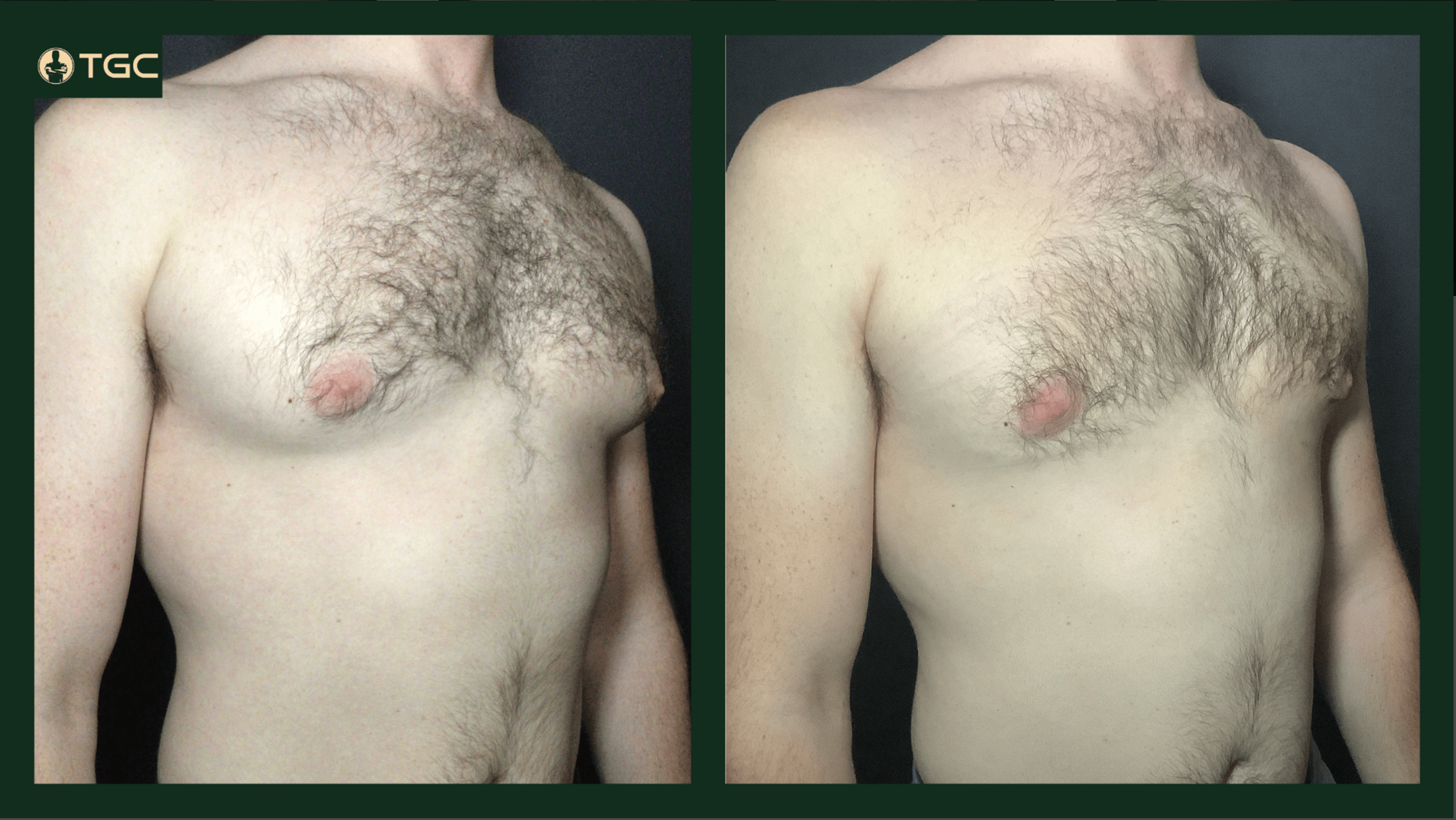
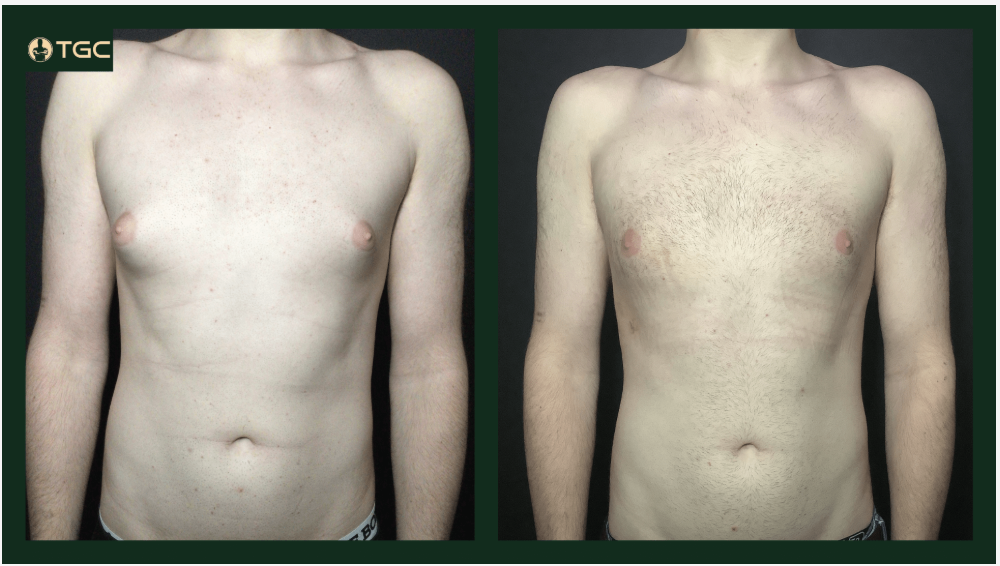
This technique provides the best results for patients with mild to moderate gynecomastia who want an undetectable surgical outcome.
For cases with significant excess glandular tissue or loose skin, other surgical techniques may be used:
Gynecomastia surgery is a same-day outpatient procedure, meaning you can go home the same day.
✔ Duration: 1-2 hours
✔ Anesthesia: Local anesthesia with sedation or general anesthesia
✔ Recovery Time: Most patients return to normal activities within a few days
Gynecomastia treatment risks include bleeding, infection, and uneven chest contours, but these are rare and manageable with proper care.
What to Expect After Surgery:
Our team will closely monitor your progress and ensure you have a smooth recovery with the best results possible. With proper post-operative care and follow-up, patients can enjoy long-lasting, natural-looking results and a newfound sense of confidence.
1
What to Expect After Surgery
2
Activity and Mobility Guidelines
3
Scar Care and Healing
4
When to Contact your Surgeon
5
Long Term Results and Outcomes
7:00 AM – 5:00 PM